
Technological advancements in the 21st century have given businesses access to software that enhances the capabilities of knowledge workers through automated workflows. This digital transformation has accelerated due to the COVID-19 pandemic, leading to changes in workforces and the creation of new jobs. Rather than viewing automation as a threat, businesses should embrace it as a catalyst for change and challenge existing approaches. Automation can empower employees to work smarter, not harder, by automating manual processes and allowing them to develop new skillsets. Intelligent Automation, which goes beyond traditional Robotic Process Automation (RPA), offers benefits such as job preservation, agility, improved customer experience, and faster implementation time.
Key Takeaways:
- Automation technologies are enhancing the capabilities of knowledge workers through automated workflows.
- The COVID-19 pandemic has accelerated the digital transformation, leading to changes in workforces and the creation of new jobs.
- Embracing automation empowers employees to work smarter, automating manual processes and allowing them to develop new skillsets.
- Intelligent Automation offers benefits such as job preservation, agility, improved customer experience, and faster implementation time.
- Businesses can harness the power of automation by adopting Intelligent Automation solutions beyond traditional RPA.
Automation and Job Security
In the era of digital transformation, automation technologies have become a catalyst for change and innovation. Contrary to the misconception that automation leads to job loss, businesses can leverage advanced automation, including artificial intelligence (AI) and other cutting-edge technologies, to enhance job roles and empower their workforce.
By embracing automation, businesses can streamline processes, increase efficiency, and create new opportunities for employees. Rather than replacing workers, automation can automate repetitive tasks, allowing employees to focus on more interesting and creative roles. Through retraining and reskilling programs, businesses can equip their workforce with the necessary skills to work alongside these advanced technologies, ensuring job security and growth.
“Automation is not about replacing humans; it’s about augmenting their capabilities and enabling them to work smarter, not harder.”
Intelligent Automation platforms go beyond traditional Robotic Process Automation (RPA) by offering benefits such as job preservation, agility, improved customer experience, and faster implementation time. By changing employees’ perception of automation and highlighting their importance in the success of a fully automated business, organizations can foster a culture of innovation and collaboration.
The Role of AI in Job Security
AI plays a crucial role in job security by enabling businesses to leverage automation technologies effectively. Through machine learning algorithms and cognitive capabilities, AI systems can analyze large amounts of data, identify patterns, and make intelligent decisions. This not only enhances the efficiency of business operations but also opens up new possibilities for employees to contribute their expertise and creativity.
AI-enabled automation technologies have the potential to transform job roles, creating higher-skilled and more fulfilling opportunities. Employees can focus on strategic tasks that require critical thinking, problem-solving, and human interaction, while the more mundane and repetitive tasks are automated. This shift improves job satisfaction and employee engagement, leading to higher productivity and a more resilient workforce.
By embracing automation and AI, businesses can harness the power of advanced technologies to unlock the full potential of their workforce, ensuring job security and driving sustainable growth in the digital age.

Empowering Employees to Work Smarter, Not Harder
Intelligent Automation, with its advanced capabilities, empowers employees to work smarter, not harder. By automating manual processes, employees can focus on higher-value tasks that require creativity, problem-solving, and critical thinking. This shift in responsibilities allows individuals to develop new skillsets and explore more exciting and creative roles within the organization.
With Intelligent Automation, employees can leverage their existing knowledge and expertise to contribute to the business’s digital transformation journey. By incorporating AI-enabled platforms and tools, employees can adapt to changing workflows and take advantage of automation’s benefits. This enhances productivity and boosts morale and job satisfaction among the workforce.
Through skill development and increased autonomy, employees become empowered to take ownership of their work and make meaningful contributions to the organization. Intelligent Automation provides opportunities for individuals to enhance their professional growth and unlock their full potential. As a result, businesses can foster a culture of innovation and continuous improvement, driving success in the rapidly evolving digital landscape.
By embracing Intelligent Automation and empowering employees, businesses can achieve greater efficiency, agility, and long-term success. Organizations need to recognize the value and potential of their workforce in driving the adoption of automation technologies. As the landscape continues to evolve, businesses prioritizing employee empowerment will be better equipped to navigate the challenges and seize the opportunities that arise.

Why Intelligent Automation and not RPA
Intelligent Automation offers significant advantages over traditional Robotic Process Automation (RPA). While RPA requires expensive developers and follows a rule-based approach to automate workflows, Intelligent Automation is agile and adaptable to changes in business workflows.
By leveraging Intelligent Automation, businesses can preserve jobs by empowering their workforce to work in more meaningful and creative roles. This shift improves job satisfaction and enhances agility within the organization.
Moreover, Intelligent Automation enables businesses to provide an improved customer experience. Companies can reduce customer wait times and deliver prompt, efficient service through chatbots and automated customer service representatives.
Agility and Time Efficiency
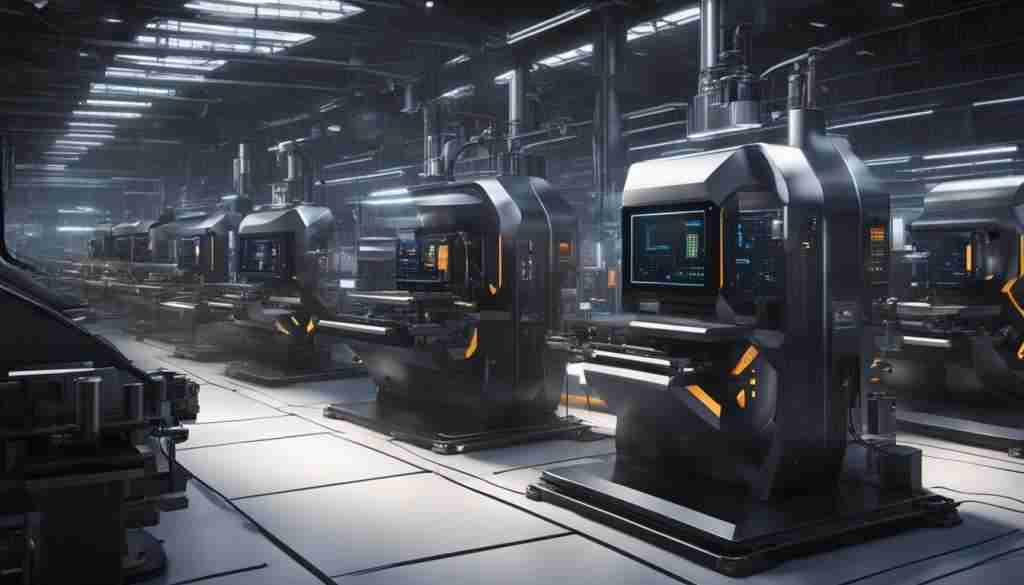
One of the key advantages of Intelligent Automation is its ability to reduce the time required for workflow automation significantly. By automating repetitive tasks, businesses can free up valuable time for employees to focus on more strategic and value-added activities.
This increased efficiency drives productivity and allows businesses to stay ahead of their competitors in a rapidly evolving market. With Intelligent Automation, companies can adapt quickly to changes and optimize their processes to meet market demands.
In conclusion, Intelligent Automation offers superior benefits compared to traditional RPA. It enables job preservation, enhances agility, improves customer experience, and provides time efficiency. By embracing Intelligent Automation, businesses can unlock the full potential of automation technologies and achieve more tremendous success in the digital age.
Empowering Progress with Advanced Automation Technologies
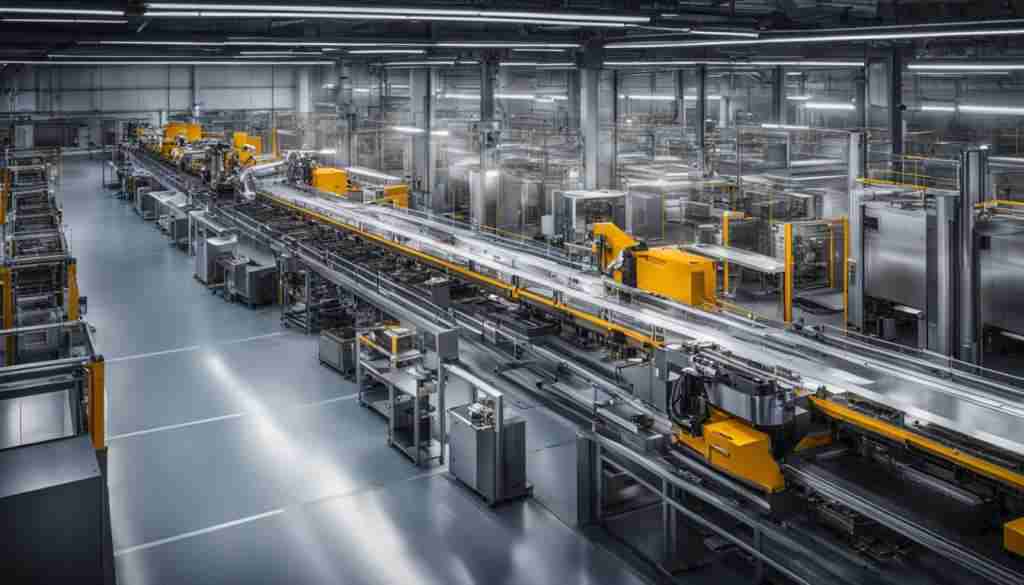
Regarding automation technologies, the perception of your workforce plays a crucial role in achieving rapid business growth. Embracing advanced automation technologies can empower your employees and enhance their overall experience. By shifting their focus from mundane, repetitive tasks to more meaningful and creative roles, your skilled workers can utilize their competencies and contribute to the success of your business.
Investing in advanced automation technologies allows employees to work smarter, not harder. It enables them to develop new skill sets and adapt to the changing demands of the digital age. By automating manual processes, your workforce can dedicate their time and energy to more strategic initiatives that drive innovation and improve productivity.
“Working with advanced automation technologies has transformed the way we approach our work. It has given us the opportunity to think creatively and take on new challenges. Our perception of automation has shifted, and we now see it as a tool that empowers us to achieve rapid growth.” – John Smith, Marketing Manager
Creating a Positive Work Environment
Empowering your workforce with advanced automation technologies creates a positive work environment where employees feel valued and engaged. Embracing automation demonstrates your commitment to their professional development and growth. This, in turn, fosters a culture of innovation and encourages employees to think outside the box.
- Automation technologies enable employees to focus on high-value tasks.
- Employees can contribute their expertise to strategic initiatives and decision-making processes.
- Automation enhances collaboration among team members, improving communication and knowledge sharing.
By recognizing the importance of workforce perception and investing in advanced automation technologies, you can unlock the full potential of your employees and achieve rapid business growth.
The Future of the AI-enabled Workplace

The future of the AI-enabled workplace holds exciting possibilities as advancements in artificial intelligence continue to shape job roles and create new opportunities across various sectors. With AI technology, employees can complete tasks more quickly and with fewer errors, improving overall productivity and efficiency. Integrating AI into workplaces will not replace human workers but enhance their capabilities and enable them to work alongside machines.
In this AI-enabled workplace, cooperation between humans and machines will be crucial. Machines will handle repetitive and mundane tasks, allowing employees to focus on more complex and creative work that requires human judgment and critical thinking. This collaboration will lead to higher-skilled opportunities, as employees can leverage AI to augment their expertise and make more informed decisions.
“The future of work will be characterized by humans and machines working together, each bringing their unique strengths to the table.”
As the AI-enabled workplace evolves, businesses need to provide their employees with the necessary skills and training to adapt to these changes. By investing in ongoing learning and development programs, businesses can ensure that their workforce remains competitive and capable of embracing the opportunities presented by AI technology.
Preparing for the AI-enabled Workplace
- Provide training and skill development programs to equip employees with the necessary knowledge and competencies to work effectively with AI technology.
- Encourage a culture of collaboration and cooperation between humans and machines, fostering an environment where employees can leverage AI to augment their capabilities.
- Facilitate ongoing learning and upskilling opportunities to keep employees updated with the latest advancements in AI technology and industry trends.
The future of the AI-enabled workplace holds immense potential for businesses and employees. By embracing the cooperative nature of humans and machines, companies can unlock higher-skilled opportunities and drive innovation across various industries.
The Importance of Building a World-Leading Network Infrastructure
In today’s digital age, a robust network infrastructure is paramount for businesses to thrive and stay competitive. Investing in a world-leading network infrastructure is crucial to support the future potential of advanced automation technologies. One key aspect of this infrastructure is implementing 5G technology, which enables faster data transfer speeds, lower latency, and greater capacity.
However, in the UK, there is a need for swift action to catch up with other European nations in terms of 5G implementation. The lack of available investment has hindered progress, resulting in lower 5G population coverage and slower adoption of standalone 5G. To fully leverage the benefits of automation and autonomy, it is essential to prioritize the development of a comprehensive network infrastructure that can support the increasing demands of data-intensive technologies.
Autonomy also plays a crucial role in building a world-leading network infrastructure. With the exponential growth of data, businesses face the challenge of data overload, where the sheer volume of information becomes overwhelming. Autonomy, achieved through machine learning and AI, allows enterprises to effectively leverage data and transform it into actionable insights. Businesses can make informed decisions and optimize their operations by autonomously processing and analyzing vast amounts of data.

The Future of Automation Technologies
The future potential of automation technologies relies heavily on developing a world-leading network infrastructure. By investing in network infrastructure, including 5G implementation and autonomy, businesses can unlock the full capabilities of advanced automation technologies. This infrastructure enables seamless connectivity, faster data transfer, and efficient collaboration between humans and machines.
- Investing in a robust network infrastructure enables businesses to embrace automation technologies and stay ahead of competitors.
- Implementing 5G technology provides faster data transfer speeds, lower latency, and greater capacity to support data-intensive applications.
- Autonomy allows businesses to leverage data effectively, transform it into valuable insights, and make informed decisions.
In conclusion, building a world-leading network infrastructure is of utmost importance for businesses seeking to harness the full potential of automation technologies. By prioritizing 5G implementation, investing in network infrastructure, and embracing autonomy, businesses can create a solid foundation for future growth, innovation, and success.
The Shift from Automation to Autonomy
As automation technologies continue to advance, there is a clear shift towards autonomy, unlocking the full potential of data. While automation alone generates vast amounts of data, it is autonomy achieved through machine learning and AI that allows us to transform this data into actionable insights. By leveraging the power of independence, businesses can make more informed decisions and drive innovation across industries.
Autonomy frees us from the constraints of data overload, enabling us to leverage insights and create value. With the ability to analyze and learn from large datasets, machine learning algorithms can uncover patterns and provide valuable predictions. This increased data leverage empowers businesses to optimize processes, improve customer experiences, and drive growth.
“Autonomy enables us to unlock the full potential of data, transforming it into valuable insights that drive innovation and create new opportunities for businesses.”
The combination of automation, data leverage, machine learning, and AI is revolutionizing industries and creating new possibilities. From healthcare to finance, autonomous technologies are reshaping job roles and driving the development of innovative capabilities. The future is promising for businesses that embrace autonomy and harness the power of data to stay competitive in the ever-evolving digital landscape.
The Power of Autonomy in Business
- Enhanced decision-making: Autonomy enables businesses to make data-driven decisions in real-time, increasing operational efficiency and agility.
- Improved customer experiences: By leveraging data insights, businesses can personalize interactions, anticipate customer needs, and deliver exceptional experiences.
- Optimized processes: Autonomous technologies streamline workflows, automate repetitive tasks, and improve overall efficiency.
- Accelerated innovation: With autonomous capabilities, businesses can uncover new opportunities, develop innovative solutions, and stay ahead of the curve.
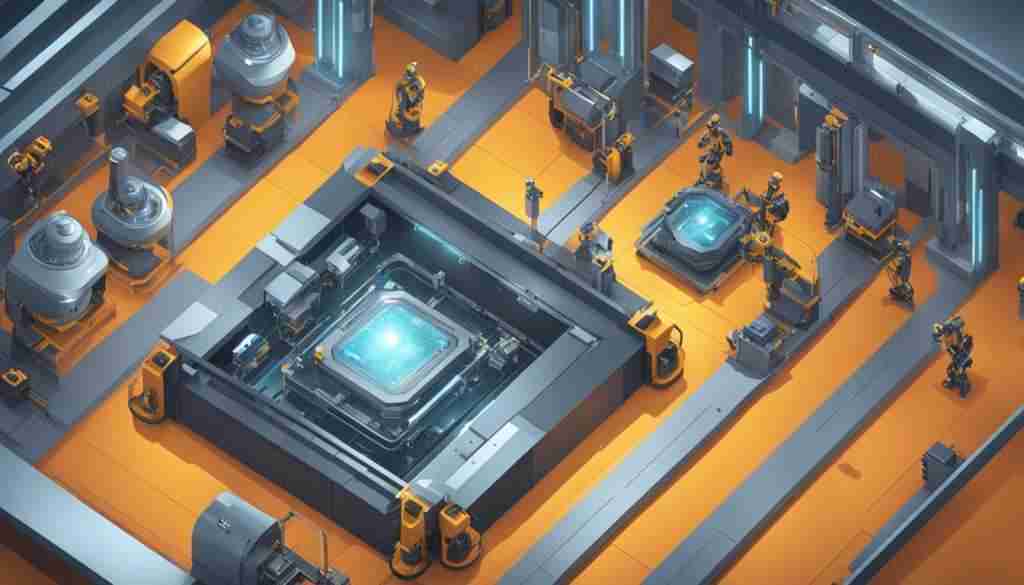
The shift from automation to autonomy marks an exciting new era in business transformation. By embracing autonomy and leveraging the power of data, businesses can unlock new levels of success, drive innovation, and create a competitive edge in the digital landscape.
The Impact of Autonomy Beyond Cars
Autonomy is not limited to driving cars; it has the potential to revolutionize various sectors. The technological applications of autonomy extend beyond transportation and offer transformative opportunities in diverse fields. One notable application is multi-access edge computing, which enables the deployment of specific applications like smart, autonomous car networks. This advancement has significant implications for research and innovation, facilitating collaborative computing in research spaces and driving breakthroughs in various industries.
Additionally, autonomy enables the concept of network slicing, which brings new functionalities to network infrastructure. Network slicing allows customized services tailored to different use cases, providing a more efficient and effective network infrastructure. This innovation opens up possibilities for enhanced connectivity, improved data management, and optimized performance in healthcare, finance, and manufacturing industries.
The impact of autonomy on research and innovation cannot be understated. Collaborative computing and advanced technologies powered by autonomy have the potential to accelerate the development of groundbreaking solutions across sectors. By leveraging the power of autonomy, businesses and organizations can drive progress and create a future where technological advancements improve the lives of individuals and contribute to the betterment of society as a whole.
Climbing the Automation Curve
As technology advances, the transition to intelligent automation is gaining momentum across various industries. With each new innovation, the possibilities for automation expand, driving efficiency and productivity. One company at the forefront of this automation revolution is Hexagon, a leader in developing advanced technologies.
Hexagon’s focus on intelligent automation allows businesses to harness the power of data and leverage it for innovative capabilities. By mapping their products on the automation scale, Hexagon provides a comprehensive solution that helps businesses climb the automation curve. Through their cutting-edge technologies, businesses can streamline processes, increase efficiency, and unlock new growth opportunities.
The innovative capabilities of Hexagon’s products enable businesses to automate tasks that were once time-consuming and manual. This frees up valuable time for employees, enhances accuracy, and reduces errors. With the power of intelligent automation, businesses can optimize their operations and achieve higher productivity levels.
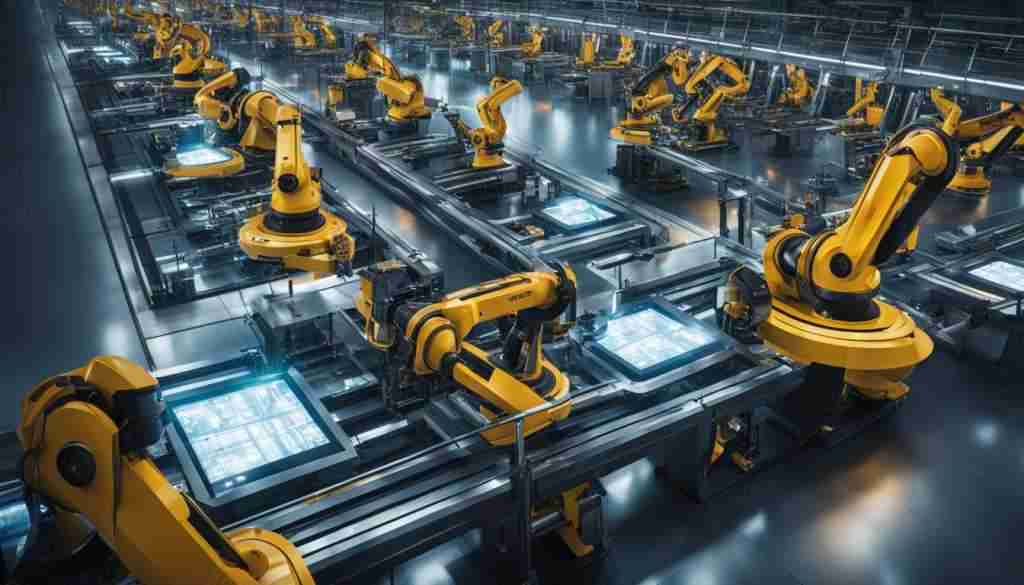
At Hexagon, the focus is on scaling automation to drive technological advancements that benefit individuals, society, the economy, and the planet. By embracing intelligent automation and continuously pushing the boundaries of what is possible, businesses can transform their operations and pave the way for a more automated future.
Conclusion
As we look to the future, the potential of automation technologies becomes increasingly clear. By leveraging data and investing in advanced automation technologies, businesses can unlock new opportunities for growth and efficiency. However, to fully embrace the benefits of automation, building a robust network infrastructure that supports the seamless flow of information is crucial.
Empowering employees and encouraging cooperation between humans and machines are essential steps in this journey. Businesses can transform raw information into valuable insights that drive innovation and success across industries by emphasizing autonomy and the ability to leverage data effectively.
With the right approach, automation technologies promise to revolutionize job roles and create new opportunities for both businesses and employees. By understanding the importance of data leverage, investing in advanced automation technologies, and building a world-leading network infrastructure, companies can position themselves at the forefront of the automation revolution and stay ahead of the competition.
Ultimately, the future potential of automation technologies relies on strategic decision-making and a holistic approach that harnesses the full value of automation. By embracing this transformative technology, businesses can reshape their operations, enhance their efficiency, and drive long-term success in a rapidly evolving digital landscape.
FAQ
What is the impact of automation on job security?
Contrary to common belief, automation can actually create new opportunities for employees. By retraining current employees and leveraging Intelligent Automation platforms, businesses can empower their workforce to work in more interesting and creative roles while automating repetitive tasks.
What are the advantages of Intelligent Automation over traditional RPA?
Intelligent Automation is agile and adaptable to changes in business workflows, unlike traditional Robotic Process Automation (RPA) which follows a rule-based approach. It offers benefits such as job preservation, agility, improved customer experience, and faster implementation time.
How can businesses empower their employees through automation technologies?
By allowing skilled workers to use their competencies in more meaningful ways and shifting their focus from mundane repetitive tasks, businesses can enhance employee experience and engagement. This can be achieved through investing in advanced automation technologies and retraining employees using AI-enabled Intelligent Automation platforms.
What are the future job prospects in an AI-enabled workplace?
The future of the AI-enabled workplace will change job styles and create new roles across various sectors. AI will enable employees to complete tasks more quickly and minimize errors, leading to higher-paid and higher-skilled opportunities.
Why is building a world-leading network infrastructure important for automation technologies?
A robust network infrastructure is vital to support the future potential of automation technologies. It enables efficient data transfer, the effective use of insights through machine learning and AI, and the realization of the benefits of automation in various industries.
What is the shift from automation to autonomy?
The shift from automation to autonomy unlocks the full potential of data. While automation alone generates vast amounts of data, autonomy, achieved through machine learning and AI, enhances data leverage and allows us to transform data into actionable insights.
What are the implications of autonomy beyond the automotive industry?
Autonomy has wide-ranging applications in diverse fields. It enables multi-access edge computing, network slicing, and customized network services tailored to different use cases, bringing new functionalities and more efficient network infrastructure.
How does Hexagon contribute to the innovation ecosystem in automation?
Hexagon focuses on putting data to work autonomously and maps its products on the automated scale. This approach drives technological advancements and benefits individuals, society, the economy, and the planet.
What is the future potential of automation technologies?
The future potential of automation technologies relies on leveraging data, investing in advanced automation technologies, and building a world-leading network infrastructure. Businesses can evolve and stay ahead of competitors by understanding the importance of automation technologies and their impact on job roles.
Related Posts


Technological advancements in the 21st century have given businesses access to software that enhances the capabilities of knowledge workers through automated workflows. This digital transformation has accelerated due to the COVID-19 pandemic, leading to changes in workforces and the creation of new jobs. Rather than viewing automation as a threat, businesses should embrace it as a catalyst for change and challenge existing approaches. Automation can empower employees to work smarter, not harder, by automating manual processes and allowing them to develop new skillsets. Intelligent Automation, which goes beyond traditional Robotic Process Automation (RPA), offers benefits such as job preservation, agility, improved customer experience, and faster implementation time.
Key Takeaways:
- Automation technologies are enhancing the capabilities of knowledge workers through automated workflows.
- The COVID-19 pandemic has accelerated the digital transformation, leading to changes in workforces and the creation of new jobs.
- Embracing automation empowers employees to work smarter, automating manual processes and allowing them to develop new skillsets.
- Intelligent Automation offers benefits such as job preservation, agility, improved customer experience, and faster implementation time.
- Businesses can harness the power of automation by adopting Intelligent Automation solutions beyond traditional RPA.
Automation and Job Security
In the era of digital transformation, automation technologies have become a catalyst for change and innovation. Contrary to the misconception that automation leads to job loss, businesses can leverage advanced automation, including artificial intelligence (AI) and other cutting-edge technologies, to enhance job roles and empower their workforce.
By embracing automation, businesses can streamline processes, increase efficiency, and create new opportunities for employees. Rather than replacing workers, automation can automate repetitive tasks, allowing employees to focus on more interesting and creative roles. Through retraining and reskilling programs, businesses can equip their workforce with the necessary skills to work alongside these advanced technologies, ensuring job security and growth.
“Automation is not about replacing humans; it’s about augmenting their capabilities and enabling them to work smarter, not harder.”
Intelligent Automation platforms go beyond traditional Robotic Process Automation (RPA) by offering benefits such as job preservation, agility, improved customer experience, and faster implementation time. By changing employees’ perception of automation and highlighting their importance in the success of a fully automated business, organizations can foster a culture of innovation and collaboration.
The Role of AI in Job Security
AI plays a crucial role in job security by enabling businesses to leverage automation technologies effectively. Through machine learning algorithms and cognitive capabilities, AI systems can analyze large amounts of data, identify patterns, and make intelligent decisions. This not only enhances the efficiency of business operations but also opens up new possibilities for employees to contribute their expertise and creativity.
AI-enabled automation technologies have the potential to transform job roles, creating higher-skilled and more fulfilling opportunities. Employees can focus on strategic tasks that require critical thinking, problem-solving, and human interaction, while the more mundane and repetitive tasks are automated. This shift improves job satisfaction and employee engagement, leading to higher productivity and a more resilient workforce.
By embracing automation and AI, businesses can harness the power of advanced technologies to unlock the full potential of their workforce, ensuring job security and driving sustainable growth in the digital age.
Empowering Employees to Work Smarter, Not Harder
Intelligent Automation, with its advanced capabilities, empowers employees to work smarter, not harder. By automating manual processes, employees can focus on higher-value tasks that require creativity, problem-solving, and critical thinking. This shift in responsibilities allows individuals to develop new skillsets and explore more exciting and creative roles within the organization.
With Intelligent Automation, employees can leverage their existing knowledge and expertise to contribute to the business’s digital transformation journey. By incorporating AI-enabled platforms and tools, employees can adapt to changing workflows and take advantage of automation’s benefits. This enhances productivity and boosts morale and job satisfaction among the workforce.
Through skill development and increased autonomy, employees become empowered to take ownership of their work and make meaningful contributions to the organization. Intelligent Automation provides opportunities for individuals to enhance their professional growth and unlock their full potential. As a result, businesses can foster a culture of innovation and continuous improvement, driving success in the rapidly evolving digital landscape.
By embracing Intelligent Automation and empowering employees, businesses can achieve greater efficiency, agility, and long-term success. Organizations need to recognize the value and potential of their workforce in driving the adoption of automation technologies. As the landscape continues to evolve, businesses prioritizing employee empowerment will be better equipped to navigate the challenges and seize the opportunities that arise.
Why Intelligent Automation and not RPA
Intelligent Automation offers significant advantages over traditional Robotic Process Automation (RPA). While RPA requires expensive developers and follows a rule-based approach to automate workflows, Intelligent Automation is agile and adaptable to changes in business workflows.
By leveraging Intelligent Automation, businesses can preserve jobs by empowering their workforce to work in more meaningful and creative roles. This shift improves job satisfaction and enhances agility within the organization.
Moreover, Intelligent Automation enables businesses to provide an improved customer experience. Companies can reduce customer wait times and deliver prompt, efficient service through chatbots and automated customer service representatives.
Agility and Time Efficiency
One of the key advantages of Intelligent Automation is its ability to reduce the time required for workflow automation significantly. By automating repetitive tasks, businesses can free up valuable time for employees to focus on more strategic and value-added activities.
This increased efficiency drives productivity and allows businesses to stay ahead of their competitors in a rapidly evolving market. With Intelligent Automation, companies can adapt quickly to changes and optimize their processes to meet market demands.
In conclusion, Intelligent Automation offers superior benefits compared to traditional RPA. It enables job preservation, enhances agility, improves customer experience, and provides time efficiency. By embracing Intelligent Automation, businesses can unlock the full potential of automation technologies and achieve more tremendous success in the digital age.
Empowering Progress with Advanced Automation Technologies
Regarding automation technologies, the perception of your workforce plays a crucial role in achieving rapid business growth. Embracing advanced automation technologies can empower your employees and enhance their overall experience. By shifting their focus from mundane, repetitive tasks to more meaningful and creative roles, your skilled workers can utilize their competencies and contribute to the success of your business.
Investing in advanced automation technologies allows employees to work smarter, not harder. It enables them to develop new skill sets and adapt to the changing demands of the digital age. By automating manual processes, your workforce can dedicate their time and energy to more strategic initiatives that drive innovation and improve productivity.
“Working with advanced automation technologies has transformed the way we approach our work. It has given us the opportunity to think creatively and take on new challenges. Our perception of automation has shifted, and we now see it as a tool that empowers us to achieve rapid growth.” – John Smith, Marketing Manager
Creating a Positive Work Environment
Empowering your workforce with advanced automation technologies creates a positive work environment where employees feel valued and engaged. Embracing automation demonstrates your commitment to their professional development and growth. This, in turn, fosters a culture of innovation and encourages employees to think outside the box.
- Automation technologies enable employees to focus on high-value tasks.
- Employees can contribute their expertise to strategic initiatives and decision-making processes.
- Automation enhances collaboration among team members, improving communication and knowledge sharing.
By recognizing the importance of workforce perception and investing in advanced automation technologies, you can unlock the full potential of your employees and achieve rapid business growth.
The Future of the AI-enabled Workplace
The future of the AI-enabled workplace holds exciting possibilities as advancements in artificial intelligence continue to shape job roles and create new opportunities across various sectors. With AI technology, employees can complete tasks more quickly and with fewer errors, improving overall productivity and efficiency. Integrating AI into workplaces will not replace human workers but enhance their capabilities and enable them to work alongside machines.
In this AI-enabled workplace, cooperation between humans and machines will be crucial. Machines will handle repetitive and mundane tasks, allowing employees to focus on more complex and creative work that requires human judgment and critical thinking. This collaboration will lead to higher-skilled opportunities, as employees can leverage AI to augment their expertise and make more informed decisions.
“The future of work will be characterized by humans and machines working together, each bringing their unique strengths to the table.”
As the AI-enabled workplace evolves, businesses need to provide their employees with the necessary skills and training to adapt to these changes. By investing in ongoing learning and development programs, businesses can ensure that their workforce remains competitive and capable of embracing the opportunities presented by AI technology.
Preparing for the AI-enabled Workplace
- Provide training and skill development programs to equip employees with the necessary knowledge and competencies to work effectively with AI technology.
- Encourage a culture of collaboration and cooperation between humans and machines, fostering an environment where employees can leverage AI to augment their capabilities.
- Facilitate ongoing learning and upskilling opportunities to keep employees updated with the latest advancements in AI technology and industry trends.
The future of the AI-enabled workplace holds immense potential for businesses and employees. By embracing the cooperative nature of humans and machines, companies can unlock higher-skilled opportunities and drive innovation across various industries.
The Importance of Building a World-Leading Network Infrastructure
In today’s digital age, a robust network infrastructure is paramount for businesses to thrive and stay competitive. Investing in a world-leading network infrastructure is crucial to support the future potential of advanced automation technologies. One key aspect of this infrastructure is implementing 5G technology, which enables faster data transfer speeds, lower latency, and greater capacity.
However, in the UK, there is a need for swift action to catch up with other European nations in terms of 5G implementation. The lack of available investment has hindered progress, resulting in lower 5G population coverage and slower adoption of standalone 5G. To fully leverage the benefits of automation and autonomy, it is essential to prioritize the development of a comprehensive network infrastructure that can support the increasing demands of data-intensive technologies.
Autonomy also plays a crucial role in building a world-leading network infrastructure. With the exponential growth of data, businesses face the challenge of data overload, where the sheer volume of information becomes overwhelming. Autonomy, achieved through machine learning and AI, allows enterprises to effectively leverage data and transform it into actionable insights. Businesses can make informed decisions and optimize their operations by autonomously processing and analyzing vast amounts of data.
The Future of Automation Technologies
The future potential of automation technologies relies heavily on developing a world-leading network infrastructure. By investing in network infrastructure, including 5G implementation and autonomy, businesses can unlock the full capabilities of advanced automation technologies. This infrastructure enables seamless connectivity, faster data transfer, and efficient collaboration between humans and machines.
- Investing in a robust network infrastructure enables businesses to embrace automation technologies and stay ahead of competitors.
- Implementing 5G technology provides faster data transfer speeds, lower latency, and greater capacity to support data-intensive applications.
- Autonomy allows businesses to leverage data effectively, transform it into valuable insights, and make informed decisions.
In conclusion, building a world-leading network infrastructure is of utmost importance for businesses seeking to harness the full potential of automation technologies. By prioritizing 5G implementation, investing in network infrastructure, and embracing autonomy, businesses can create a solid foundation for future growth, innovation, and success.
The Shift from Automation to Autonomy
As automation technologies continue to advance, there is a clear shift towards autonomy, unlocking the full potential of data. While automation alone generates vast amounts of data, it is autonomy achieved through machine learning and AI that allows us to transform this data into actionable insights. By leveraging the power of independence, businesses can make more informed decisions and drive innovation across industries.
Autonomy frees us from the constraints of data overload, enabling us to leverage insights and create value. With the ability to analyze and learn from large datasets, machine learning algorithms can uncover patterns and provide valuable predictions. This increased data leverage empowers businesses to optimize processes, improve customer experiences, and drive growth.
“Autonomy enables us to unlock the full potential of data, transforming it into valuable insights that drive innovation and create new opportunities for businesses.”
The combination of automation, data leverage, machine learning, and AI is revolutionizing industries and creating new possibilities. From healthcare to finance, autonomous technologies are reshaping job roles and driving the development of innovative capabilities. The future is promising for businesses that embrace autonomy and harness the power of data to stay competitive in the ever-evolving digital landscape.
The Power of Autonomy in Business
- Enhanced decision-making: Autonomy enables businesses to make data-driven decisions in real-time, increasing operational efficiency and agility.
- Improved customer experiences: By leveraging data insights, businesses can personalize interactions, anticipate customer needs, and deliver exceptional experiences.
- Optimized processes: Autonomous technologies streamline workflows, automate repetitive tasks, and improve overall efficiency.
- Accelerated innovation: With autonomous capabilities, businesses can uncover new opportunities, develop innovative solutions, and stay ahead of the curve.
The shift from automation to autonomy marks an exciting new era in business transformation. By embracing autonomy and leveraging the power of data, businesses can unlock new levels of success, drive innovation, and create a competitive edge in the digital landscape.
The Impact of Autonomy Beyond Cars
Autonomy is not limited to driving cars; it has the potential to revolutionize various sectors. The technological applications of autonomy extend beyond transportation and offer transformative opportunities in diverse fields. One notable application is multi-access edge computing, which enables the deployment of specific applications like smart, autonomous car networks. This advancement has significant implications for research and innovation, facilitating collaborative computing in research spaces and driving breakthroughs in various industries.
Additionally, autonomy enables the concept of network slicing, which brings new functionalities to network infrastructure. Network slicing allows customized services tailored to different use cases, providing a more efficient and effective network infrastructure. This innovation opens up possibilities for enhanced connectivity, improved data management, and optimized performance in healthcare, finance, and manufacturing industries.
The impact of autonomy on research and innovation cannot be understated. Collaborative computing and advanced technologies powered by autonomy have the potential to accelerate the development of groundbreaking solutions across sectors. By leveraging the power of autonomy, businesses and organizations can drive progress and create a future where technological advancements improve the lives of individuals and contribute to the betterment of society as a whole.
Climbing the Automation Curve
As technology advances, the transition to intelligent automation is gaining momentum across various industries. With each new innovation, the possibilities for automation expand, driving efficiency and productivity. One company at the forefront of this automation revolution is Hexagon, a leader in developing advanced technologies.
Hexagon’s focus on intelligent automation allows businesses to harness the power of data and leverage it for innovative capabilities. By mapping their products on the automation scale, Hexagon provides a comprehensive solution that helps businesses climb the automation curve. Through their cutting-edge technologies, businesses can streamline processes, increase efficiency, and unlock new growth opportunities.
The innovative capabilities of Hexagon’s products enable businesses to automate tasks that were once time-consuming and manual. This frees up valuable time for employees, enhances accuracy, and reduces errors. With the power of intelligent automation, businesses can optimize their operations and achieve higher productivity levels.
At Hexagon, the focus is on scaling automation to drive technological advancements that benefit individuals, society, the economy, and the planet. By embracing intelligent automation and continuously pushing the boundaries of what is possible, businesses can transform their operations and pave the way for a more automated future.
Conclusion
As we look to the future, the potential of automation technologies becomes increasingly clear. By leveraging data and investing in advanced automation technologies, businesses can unlock new opportunities for growth and efficiency. However, to fully embrace the benefits of automation, building a robust network infrastructure that supports the seamless flow of information is crucial.
Empowering employees and encouraging cooperation between humans and machines are essential steps in this journey. Businesses can transform raw information into valuable insights that drive innovation and success across industries by emphasizing autonomy and the ability to leverage data effectively.
With the right approach, automation technologies promise to revolutionize job roles and create new opportunities for both businesses and employees. By understanding the importance of data leverage, investing in advanced automation technologies, and building a world-leading network infrastructure, companies can position themselves at the forefront of the automation revolution and stay ahead of the competition.
Ultimately, the future potential of automation technologies relies on strategic decision-making and a holistic approach that harnesses the full value of automation. By embracing this transformative technology, businesses can reshape their operations, enhance their efficiency, and drive long-term success in a rapidly evolving digital landscape.
FAQ
What is the impact of automation on job security?
Contrary to common belief, automation can actually create new opportunities for employees. By retraining current employees and leveraging Intelligent Automation platforms, businesses can empower their workforce to work in more interesting and creative roles while automating repetitive tasks.
What are the advantages of Intelligent Automation over traditional RPA?
Intelligent Automation is agile and adaptable to changes in business workflows, unlike traditional Robotic Process Automation (RPA) which follows a rule-based approach. It offers benefits such as job preservation, agility, improved customer experience, and faster implementation time.
How can businesses empower their employees through automation technologies?
By allowing skilled workers to use their competencies in more meaningful ways and shifting their focus from mundane repetitive tasks, businesses can enhance employee experience and engagement. This can be achieved through investing in advanced automation technologies and retraining employees using AI-enabled Intelligent Automation platforms.
What are the future job prospects in an AI-enabled workplace?
The future of the AI-enabled workplace will change job styles and create new roles across various sectors. AI will enable employees to complete tasks more quickly and minimize errors, leading to higher-paid and higher-skilled opportunities.
Why is building a world-leading network infrastructure important for automation technologies?
A robust network infrastructure is vital to support the future potential of automation technologies. It enables efficient data transfer, the effective use of insights through machine learning and AI, and the realization of the benefits of automation in various industries.
What is the shift from automation to autonomy?
The shift from automation to autonomy unlocks the full potential of data. While automation alone generates vast amounts of data, autonomy, achieved through machine learning and AI, enhances data leverage and allows us to transform data into actionable insights.
What are the implications of autonomy beyond the automotive industry?
Autonomy has wide-ranging applications in diverse fields. It enables multi-access edge computing, network slicing, and customized network services tailored to different use cases, bringing new functionalities and more efficient network infrastructure.
How does Hexagon contribute to the innovation ecosystem in automation?
Hexagon focuses on putting data to work autonomously and maps its products on the automated scale. This approach drives technological advancements and benefits individuals, society, the economy, and the planet.
What is the future potential of automation technologies?
The future potential of automation technologies relies on leveraging data, investing in advanced automation technologies, and building a world-leading network infrastructure. Businesses can evolve and stay ahead of competitors by understanding the importance of automation technologies and their impact on job roles.